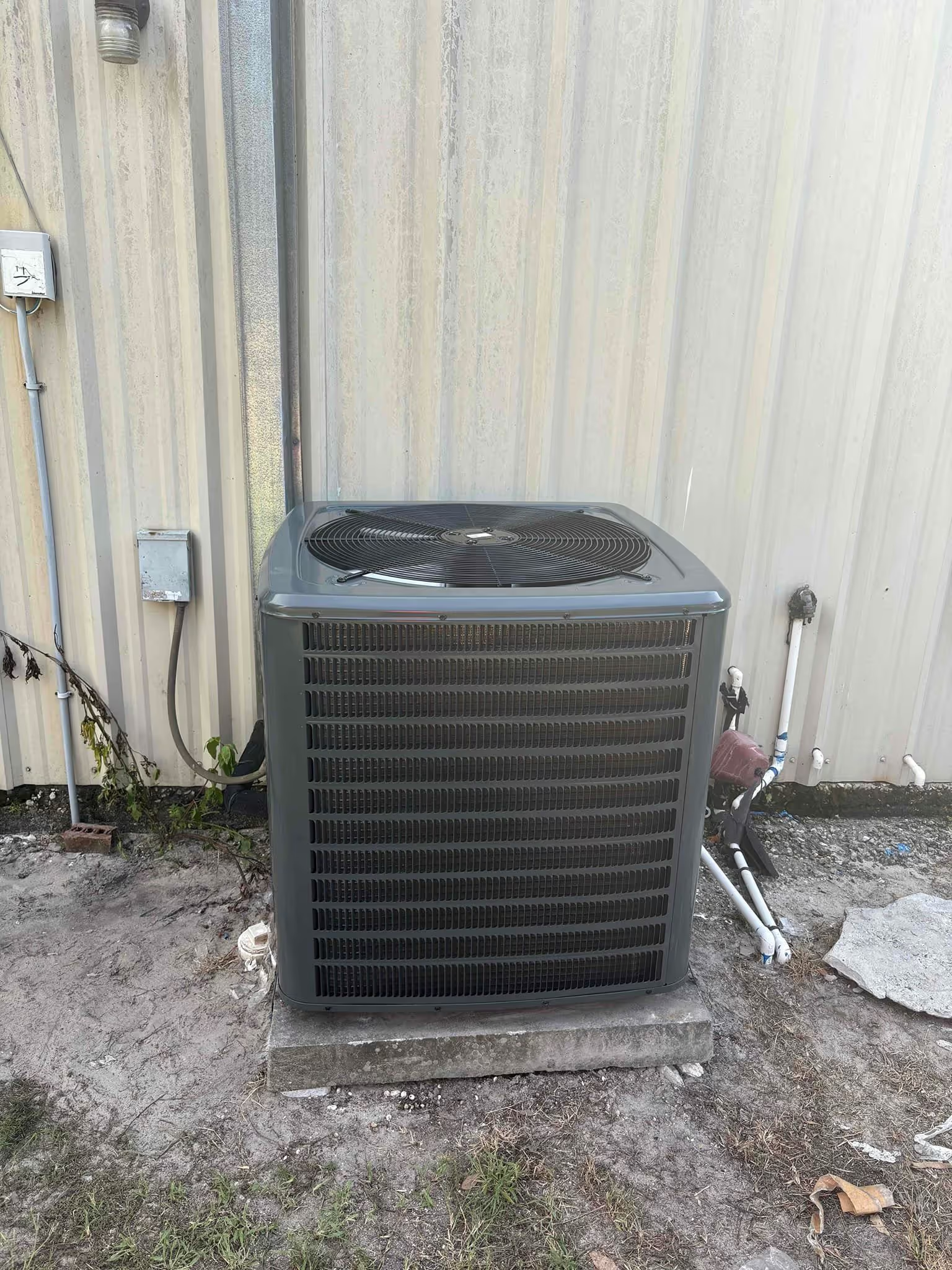
HVAC protection services help keep heating and cooling systems working smoothly by offering regular maintenance and repairs. These plans often cover annual inspections, tune-ups, and parts replacement, reducing the chances of unexpected breakdowns. An HVAC protection plan saves money over time by preventing costly repairs and extending the life of the equipment.
Choosing a protection plan means homeowners get priority service and peace of mind, knowing their system is cared for by trained professionals. These services are designed to catch small issues early, improving efficiency and comfort throughout the year.
With the complexity of modern HVAC systems, professional maintenance is the safest way to keep everything running well. In this article, you’ll learn how to choose HVAC protection services that prevent breakdowns, cut energy costs, and extend system life.
Here’s what you need to know:
- Why every homeowner needs hvac protection services
- What’s included in a professional HVAC protection plan
- How HVAC protection services extend system lifespan
- Choosing the right HVAC protection plan for your home
- Cost, value, and homeowner benefits
Keep reading! Protection plans are a smart way to protect a valuable home investment while avoiding sudden expenses.
Why every homeowner needs hvac protection services
HVAC protection services help avoid costly repairs, keep systems running efficiently, and provide reliable comfort all year. With the right plan, homeowners can save money, reduce stress, and prevent unexpected breakdowns in their heating and cooling systems.
The real cost of skipping hvac maintenance
Neglecting HVAC maintenance often leads to system breakdowns and expensive repairs. Without regular checkups, small problems like dirty filters or worn parts can worsen quickly. A broken HVAC system may require costly emergency repairs or even a full replacement.
Skipping maintenance also lowers the system’s efficiency, causing higher energy bills. Over time, this can add up to hundreds of extra dollars spent each year. Homeowners who avoid maintenance risk losing the lifetime value of their HVAC system and facing sudden discomfort during extreme weather.
How protection plans prevent expensive repairs
HVAC protection plans cover routine maintenance, parts, and labor. This coverage reduces out-of-pocket costs for repairs by charging a fixed fee or monthly payment. When the system fails, the plan often includes fast service and fewer charges, saving money and time.
Plans usually include priority service during busy seasons, avoiding long waits for technicians. Many also offer emergency repair coverage, so homeowners can get help anytime. By catching small issues early through scheduled checkups, these plans prevent minor problems from turning into costly repairs.
The peace of mind that comes from year-round coverage
Having year-round HVAC protection means homeowners don’t worry about sudden failures or cold nights without heat. Continuous coverage offers 24/7 support, emergency repairs, and discounted service fees. This reliable access to expert help builds confidence that their system will keep running smoothly.
Protection plans give peace of mind during extreme weather. Knowing repairs won’t break the bank helps families feel safe and comfortable all seasons. The security of a well-maintained HVAC system is especially important for those living in climates with hot summers or freezing winters.
What’s included in a professional HVAC protection plan
A good HVAC protection plan ensures routine care, quicker repairs, and clearer coverage options. It helps homeowners avoid sudden breakdowns and expensive expenses. Plans usually mix regular system checkups with financial benefits for repairs.
Preventive maintenance and performance inspections
Preventive HVAC service is the foundation of most protection plans. It includes an annual or bi-annual visit where a technician inspects heating, cooling, and ventilation components. They check the thermostat, electrical connections, and moving parts for wear or damage.
Technicians also clean or clear the condensate drain and test the system's controls. These inspections help find small problems before they grow into costly repairs.
The maintenance tune-up improves efficiency and extends the system's lifespan. This is why many plans require keeping up with these visits on schedule.
ENERGY STAR (U.S. EPA) advises routine professional HVAC maintenance, along with inspecting, cleaning, or changing filters, to avoid higher energy costs and premature equipment failure.
Priority service and repair discounts explained
Members of HVAC maintenance plans commonly get priority scheduling during busy seasons. This means faster emergency response and less wait time for repairs.
Repair discounts vary by plan but typically offer 10% to 20% off parts and labor costs. Some plans include coverage for common repairs or replacements, reducing out-of-pocket expenses.
Extra perks can include free diagnostic fees or waived service charges on covered repairs. These benefits help homeowners save money on unplanned fixes while keeping their system reliable.
Coverage differences between standard and premium plans
Standard plans usually focus on preventive maintenance and basic repair discounts. They cover one heating or cooling unit and include a single annual checkup.
Premium plans often cover both heating and cooling systems. These may add benefits like emergency service, parts replacement, and built-in surge protection.
Premium members get broader coverage for major components and sometimes receive more frequent inspections. This type of plan suits homes with complex HVAC setups or extreme weather conditions.
Feature
Standard plan
Premium plan
Units covered
One unit (heating OR cooling)
Heating AND cooling units
Scheduled inspections
One per year
One or two per year
Repair discounts
Basic percentage
Higher or full coverage on parts
Emergency service
Limited or none
Included or discounted
Additional benefits
None or minimal
Surge protection or priority care
How HVAC protection services extend system lifespan
HVAC protection services help keep systems running smoothly by focusing on critical tasks that prevent wear and tear. Proper care improves efficiency, detects issues early, and keeps key components clean. This makes the system last longer and reduces the chance of expensive repairs.
Keeping your system efficient through regular tune-ups
Regular tune-ups ensure every part of the HVAC system works as it should. Technicians check and adjust belts, motors, and electrical connections. They also lubricate moving parts to reduce friction. This maintenance helps the system use less energy, lowering utility bills.
Tune-ups include testing the thermostat and airflow settings. Proper airflow avoids overworking the system. By fixing small problems during tune-ups, the system avoids bigger failures that shorten its life.
Detecting early signs of wear before costly breakdowns
Protection services use inspections to find small issues before they become severe. This includes spotting worn-out parts, leaks, or loose wiring. Early detection lets homeowners schedule repairs quickly.
Catching problems early prevents sudden breakdowns, which can cause discomfort and high repair costs. It also keeps systems running smoothly during peak seasons. A well-maintained system stays reliable and lasts longer.
How clean filters and coils improve performance
Clean air filters prevent dust and debris from entering the system. Dirty filters block airflow and force the HVAC to work harder. Changing filters regularly keeps air moving freely and improves indoor air quality.
Per the U.S. Department of Energy, replacing a dirty, clogged HVAC filter with a clean one can lower an air conditioner’s energy use by about 5–15%.
Coils in the HVAC system absorb heat. When coils get dirty, they lose efficiency and cause the system to overheat. Cleaning coils helps maintain proper cooling and heating performance. This reduces energy use and prolongs the system’s useful life.
According to the National Renewable Energy Laboratory (NREL), evaporator-coil fouling reduces airflow, can lead to coil freeze-up, and may damage the compressor if left uncorrected.
Choosing the right HVAC protection plan for your home
Selecting a protection plan means understanding the range of services, contract terms, and the provider’s reputation. Homeowners should focus on coverage details, cost factors, and the service provider's reliability to ensure their heating and cooling systems stay efficient and affordable to maintain.
Comparing different levels of HVAC service coverage
Most HVAC protection plans offer tiered coverage for heating, cooling, or both. Basic plans often cover only heating systems, while more comprehensive plans include air conditioning, ductwork, and sometimes multiple units.
These plans typically protect against wear and tear, reducing repair costs for common breakdowns.
Plans vary on contract length, maximum payout, and service call fees. For example, a total coverage plan might cover annual maintenance, emergency repairs, and full replacement options.
Homeowners should compare:
- What is included (heating, cooling, ducts)
- Limits on repairs or replacements
- Whether regular tune-ups are part of the plan
Questions to ask before signing a maintenance contract
Ask about coverage specifics like parts and labor limits. Know if the plan covers common issues such as thermocouple failure, blower motor repairs, or refrigerant leaks.
Check if the contract includes routine maintenance and how often. Maintenance can prevent major problems but might not be standard in all plans.
Understand service call policies. Is there a charge for each visit, or are emergency calls included?
Clarify cancellation terms and any hidden fees. It’s important to confirm if the plan covers multiple HVAC units in the house or only one.
Verify the provider’s response time and if they offer 24/7 emergency service.
Why local HVAC companies offer better long-term value
Local HVAC companies often know the area’s climate and common system issues better than national chains. This knowledge leads to faster diagnosis and tailored maintenance, saving homeowners time and money.
They tend to build long-term relationships with customers, providing more personalized service. Local providers may also be more flexible with contracts and payment options.
Support the community by choosing local businesses, which can impact service quality positively. Local technicians are more likely to respond quickly and follow up after service.
Choosing local helps ensure consistent quality in heating and cooling coverage and often results in fewer service delays or missed appointments.
Cost, value, and homeowner benefits
HVAC protection services come with clear costs and distinct advantages for homeowners. These services can reduce unexpected expenses and improve energy use. They also add value when selling a home by making HVAC systems more appealing to buyers.
How much do HVAC protection services cost?
The price of HVAC protection depends on the plan and provider but usually ranges from $150 to $600 annually. Some companies charge a service call fee of about $75 to $125 for repairs or inspections.
Extended warranties or protection plans sometimes cost more but offer longer coverage, up to 10 years in some cases. This can include repairs or full system replacement in some cases.
Costs vary based on the age and condition of the HVAC unit. Older systems might lead to higher premiums or more limited coverage. Comparing plans by coverage limits and service fees helps find the best value.
Savings from energy efficiency and fewer repairs
Regular HVAC protection often includes maintenance, which improves system efficiency. A well-maintained system uses less energy. This lowers monthly utility bills by about 10% to 20%, depending on climate and usage.
Protection plans cover repairs, which can save hundreds to thousands of dollars. Fixing a broken component without a warranty can cost from $130 to $450, while total replacement may be $3,000 to $5,000.
By catching small issues early, these services minimize costly breakdowns and extend HVAC lifespan. This means fewer emergency repairs and less downtime in extreme weather.
How HVAC protection increases your system’s resale value
Homes with transferable HVAC warranties gain buyer interest and can fetch higher sale prices. Buyers see these warranties as a promise against unexpected costs.
A 10-year transferable warranty often adds value because it shows the HVAC system is well cared for and protected. Buyers may pay a premium or close deals faster.
This warranty assurance also gives peace of mind to both sellers and buyers. It can reduce negotiation issues related to HVAC condition during home sales.
Conclusion
HVAC protection services offer regular maintenance and repair coverage. This helps keep heating and cooling systems working efficiently.
Many plans include annual inspections by licensed technicians. These inspections can find small problems before they become costly repairs.
Having a protection plan can reduce unexpected breakdowns. It also often covers service calls, which can save money in the long run.
Some plans bundle HVAC with other home systems like plumbing. This can make management easier for homeowners.
Protection plans support system longevity by ensuring timely care. This can extend the life of HVAC equipment and maintain comfort in the home or business.
For contractors, specialized HVAC insurance helps manage risks. It covers accidents, equipment failures, and damage that might happen on job sites.
Choosing the right plan depends on individual needs and system type. It is important to review plan details and costs carefully before deciding.
Request a no-obligation HVAC protection plan quote from Sunshine Services and schedule a baseline inspection to inventory equipment, confirm coverage tiers, and activate priority maintenance and repair benefits.




.svg)