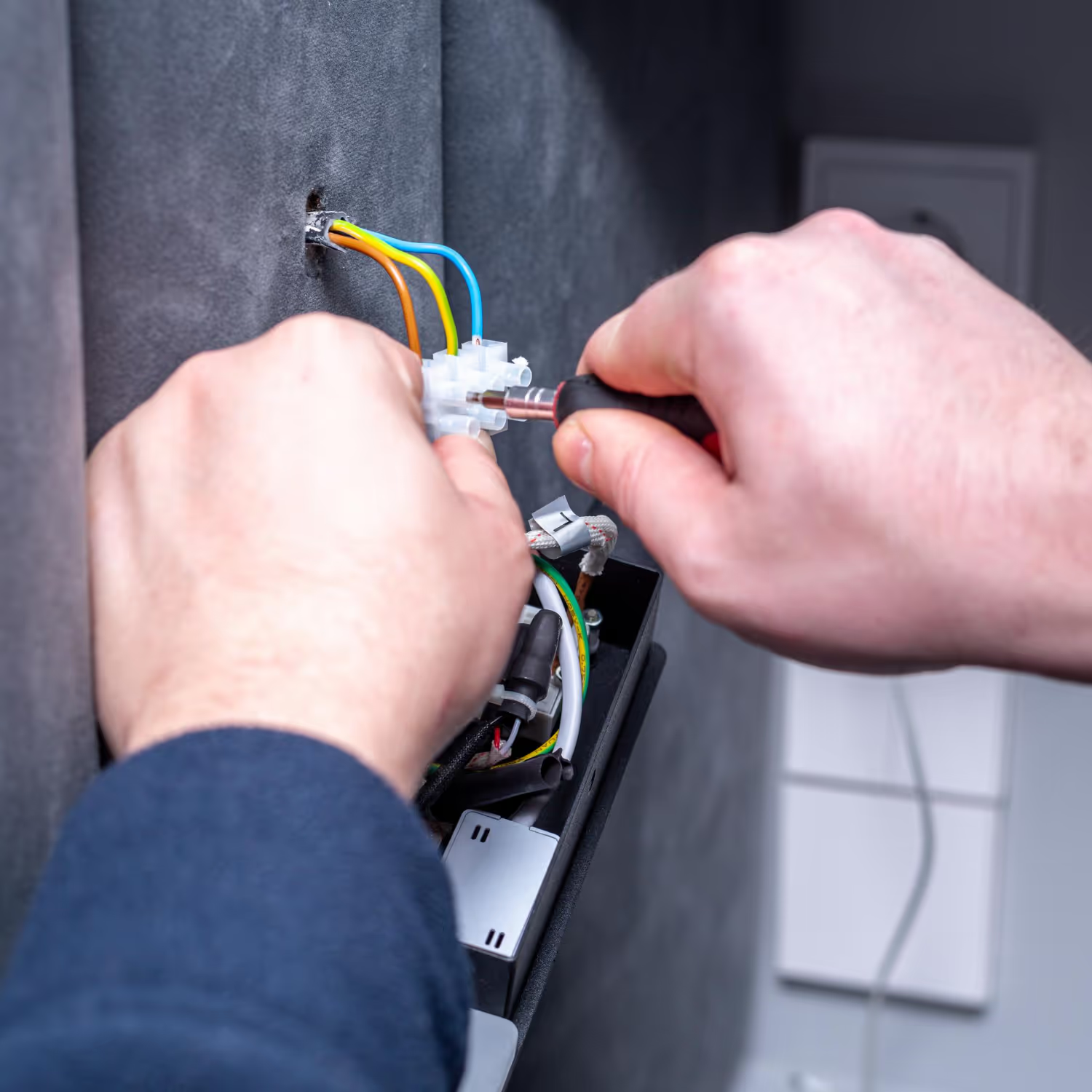
Homeowners need to know how to prevent electrical overloads by avoiding plugging multiple high-power devices into the same circuit and staying under 80% of their circuit breaker's capacity.
Electrical overloads cause thousands of house fires every year in the United States. These dangerous situations happen when circuits carry more electricity than they can safely handle. The good news is that most electrical overloads can be prevented with simple steps and smart habits.
Understanding which appliances use the most power helps people make better choices about what to plug in where. Simple changes like spreading devices across different outlets can make a big difference.
Learning to spot warning signs early helps protect families and property from electrical dangers. This guide covers everything homeowners need to know about preventing overloads, from daily safety habits to when professional inspections matter most.
In this article, you’ll learn how to prevent electrical overloads and protect your home from serious fire risks and power hazards.
Here’s what you need to know:
- What is an electrical overload?
- Warning signs of an overloaded circuit
- Smart ways to prevent electrical overloads
- How regular inspections protect your electrical system
- Safe electrical habits for everyday use
Keep reading! These practical tips work for any home, whether it has older wiring or modern electrical systems.
What is an electrical overload?
An electrical overload occurs when more current flows through a circuit than it can safely handle. This happens when too many devices draw power from the same circuit or when high-wattage appliances exceed the circuit's capacity.
Understanding how circuits handle electrical current
Every electrical circuit has a specific amperage rating that determines how much current it can carry safely. Most household circuits are rated for 15 or 20 amps.
When current flows through a wire, it creates heat. The wire size and insulation are designed to handle this heat at the rated amperage.
Circuit breakers act as safety devices that automatically shut off power when current exceeds safe levels. This prevents wires from overheating and potentially causing fires.
A 15-amp circuit can safely handle about 1,800 watts of power. A 20-amp circuit can handle approximately 2,400 watts.
The circuit breaker trips when it detects current above its rating for a sustained period. This protects the wiring and connected devices from damage.
Common causes of overloads in modern homes
High-wattage appliances create the most common overload situations. Space heaters, hair dryers, and microwaves can each draw 1,200 to 1,500 watts alone.
Multiple devices on one circuit quickly add up to dangerous levels:
- Kitchen appliances: Toaster (1,000W) + coffee maker (900W) + microwave (1,200W) = 3,100 watts
- Bathroom devices: Hair dryer (1,500W) + curling iron (300W) + heated towel rack (400W) = 2,200 watts
- Office equipment: Computer (400W) + monitor (200W) + printer (300W) + space heater (1,200W) = 2,100 watts
Extension cords and power strips compound the problem. They make it easy to plug multiple devices into circuits not designed for heavy loads.
Older homes face additional challenges. They often have fewer circuits and lower-capacity electrical panels than modern homes require.
Why ignoring small electrical issues can lead to big risks
Small electrical problems signal larger issues developing in the system. Flickering lights often indicate circuits operating near capacity limits.
Warm outlets and switch plates show excessive current flow through connections. This heat can damage wiring insulation over time.
Repeated circuit breaker trips mean the safety system works correctly. However, the underlying overload condition still exists and worsens with continued use.
Damaged wiring from repeated overloads creates fire hazards. The insulation breaks down and exposes bare wires that can arc and ignite surrounding materials.
Electrical fires cause approximately 51,000 house fires each year. Many result from overloaded circuits that showed warning signs before failing completely.
According to the U.S. Fire Administration (USFA), overloaded circuits and wiring malfunctions contribute to thousands of home fires annually, emphasizing the need for proper circuit capacity and breaker protection.
Early intervention prevents costly repairs and dangerous situations. Addressing overloads promptly protects both property and lives.
Warning signs of an overloaded circuit
Overloaded circuits show clear warning signs before they become dangerous. These signs include flickering lights, frequent breaker trips, and warm outlets that signal electrical problems.
Flickering lights, tripped breakers, and overheating outlets
Lights that flicker or dim when appliances turn on signal circuit overload. This happens when too many devices draw power from the same circuit.
Circuit breakers that trip repeatedly protect homes from electrical fires. When a breaker trips once, it may be normal. Frequent trips mean the circuit carries too much electrical load.
Outlets and wall plates should never feel warm to the touch. Hot outlets indicate dangerous overheating inside the electrical system.
Burning smells from outlets or electrical panels require immediate attention. This odor often comes from overheated wires or components.
The National Fire Protection Association (NFPA) reports that electrical failures and malfunctions were responsible for an annual average of 390 deaths and 1,330 injuries in U.S. home structure fires from 2015 to 2019.
Common overload warning signs:
- Lights dim when large appliances start
- Circuit breakers trip multiple times per month
- Outlets feel warm or hot
- Wall plates show brown or black discoloration
- Mild shock from appliances or switches
Discolored outlet covers show heat damage from overloaded circuits. Brown or black marks around outlets indicate serious overheating problems.
How to detect hidden wiring problems early
Hidden wiring problems develop slowly and may not show obvious signs at first. Regular checks help catch these issues before they become dangerous.
Test outlets monthly using a simple outlet tester from hardware stores. These tools cost under $15 and show wiring problems instantly.
Check electrical panels for rust, corrosion, or burn marks. Panels should never feel hot or make buzzing sounds during normal operation.
Monthly electrical safety checklist:
- Test all GFCI outlets using test/reset buttons
- Check for loose outlet covers or switches
- Listen for crackling sounds from electrical devices
- Look for scorch marks around outlets
- Feel wall plates for unusual warmth
Old homes with original wiring face higher risks of hidden problems. Homes built before 1970 often need electrical system updates.
Extension cords used permanently indicate insufficient outlets. This creates fire hazards and signals the need for additional circuits.
When to call a licensed electrician for inspection
Licensed electrician services become necessary when warning signs appear repeatedly. Professional inspection prevents electrical fires and ensures home safety.
Call an electrician immediately if outlets spark when plugging in devices. Sparking indicates serious wiring problems that require expert repair.
Homes over 25 years old need electrical inspections every 3-5 years. Older homes require annual inspections to catch aging wire problems.
Emergency electrical situations requiring immediate professional help:
- Burning smells from electrical panels
- Multiple circuit breakers tripping simultaneously
- Outlets that don't work after breaker reset
- Visible wire damage or exposed connections
- Electric shocks from appliances or switches
Licensed electricians use specialized tools to measure electrical loads accurately. They identify overloaded circuits that homeowners cannot detect easily.
Professional electrical inspections cost $200-400 but prevent thousands in fire damage. Licensed electricians also ensure repairs meet local building codes.
According to the U.S. Department of Energy, routine electrical inspections help homeowners identify outdated wiring and prevent energy waste, improving overall safety and system performance.
Any electrical work beyond replacing outlets or switches requires licensed professionals. Improper electrical work creates serious fire and safety hazards.
Smart ways to prevent electrical overloads
Preventing electrical overloads requires a balanced approach to power distribution and strategic upgrades to home electrical systems. Power surge prevention and proper circuit breaker protection work together to keep homes safe from electrical hazards.
Balancing power use across outlets and circuits
The easiest way to prevent overloads is moving high-power devices to different circuits. Most homes have multiple circuits that can share the electrical load more evenly.
Never exceed 80% of a circuit breaker's rating. A 15-amp breaker should only handle 12 amps of continuous load. A 20-amp breaker should stay under 16 amps.
Unplug devices from overloaded outlets and move them to outlets on different circuits. This simple step often solves most overload problems without any costly upgrades.
High-power appliances need their own outlets. Space heaters, hair dryers, and microwaves should never share outlets with other devices. These appliances draw too much power for shared circuits.
Use only one heat-producing appliance per outlet at a time. Multiple heat sources on one circuit almost always cause overloads and trip breakers.
Upgrading outdated wiring and breaker panels
Older homes often have electrical systems that can't handle modern power needs. Homes built before 1980 may need complete electrical upgrades for safety.
Old breaker panels create fire risks. Some older panels don't provide proper circuit breaker protection when circuits overload. Licensed electricians can determine if panels need replacement.
Upgrading from 100-amp to 200-amp service gives homes more power capacity. This upgrade allows homeowners to run more appliances safely without overloading circuits.
New wiring handles higher electrical loads. Modern appliances need more power than older wiring can safely carry. Upgraded wiring prevents dangerous overheating and electrical fires.
Professional electricians should handle all major electrical upgrades. These projects require permits and inspections to meet local building codes.
Installing surge protectors for high-demand appliances
Surge protectors provide power surge prevention for expensive electronics and appliances. They also help manage electrical loads more effectively.
Whole-house surge protectors install at the main electrical panel. These units protect all circuits from power surges that come through utility lines during storms.
Individual surge protectors work best for computers, televisions, and other sensitive electronics. Look for units with high joule ratings for better protection.
Never daisy-chain surge protectors or extension cords. This practice creates fire hazards and doesn't provide proper surge protection for connected devices.
High-demand appliances like refrigerators and washing machines need dedicated surge protectors. These units prevent voltage spikes from damaging expensive appliance motors and electronics.
Replace surge protectors every 2-3 years or after major electrical storms. Older units lose their protective capacity over time.
How regular inspections protect your electrical system
Professional electrical maintenance identifies potential problems before they become dangerous or expensive. Licensed electricians check for code violations and inspect wiring systems to prevent fires, equipment damage, and costly repairs.
The importance of professional electrical maintenance
Licensed electricians possess specialized training to spot electrical hazards that homeowners cannot detect. They use professional testing equipment to measure voltage, check circuit loads, and identify worn components.
Professional maintenance goes beyond visual checks. Electricians test circuit breakers, examine electrical panels, and verify proper grounding systems. This thorough approach catches problems like loose connections and overloaded circuits.
Key benefits of professional maintenance:
- Early detection of faulty wiring
- Prevention of electrical fires
- Identification of code violations
- Testing of safety devices
Regular professional inspections extend the life of electrical components. When electricians find minor issues early, they can make small repairs instead of costly replacements. This saves homeowners money over time.
Professional electricians also update homeowners about new safety standards. They recommend upgrades when older systems need improvement to meet current codes.
How Sunshine Services ensures code compliance and safety
Sunshine Services follows strict inspection protocols to meet local electrical codes. Their certified electricians check every component of home electrical systems during inspections.
The inspection process includes testing outlets, switches, and circuit breakers. Technicians verify proper wire gauges and check for outdated materials that need replacement. They also inspect electrical panels for signs of overheating or damage.
Sunshine Services inspection checklist:
- Circuit load analysis
- Grounding system verification
- Wire condition assessment
- Safety device testing
- Code compliance review
Their electricians document all findings and provide detailed reports. These reports help homeowners understand which issues need immediate attention and which can be scheduled for later.
Sunshine Services stays current with changing electrical codes. Their team receives regular training on new safety standards and inspection requirements.
Why annual wiring checks can prevent costly damage
Home wiring inspection every year catches deteriorating conditions before they cause major problems. Electrical wires can develop issues from age, moisture, or pest damage that create fire risks.
Annual checks reveal overloaded circuits that stress electrical systems. When circuits carry too much power, wires heat up and insulation breaks down. This leads to equipment failure and potential fires.
Common wiring problems found during annual checks:
- Damaged insulation
- Loose connections
- Corroded components
- Overloaded circuits
- Improper installations
Regular wiring inspection saves money by preventing emergency repairs. Small wiring problems cost hundreds to fix, while major electrical failures can cost thousands. Fire damage from electrical problems can destroy entire homes.
Annual inspections also maintain home insurance coverage. Many insurance companies require recent electrical inspections for older homes. This protects homeowners from claim denials after electrical incidents.
Consistent wiring checks help homeowners plan electrical upgrades. When electricians identify aging systems during routine inspections, homeowners can budget for replacements instead of facing sudden failures.
Safe electrical habits for everyday use
Simple daily habits can prevent most electrical overloads and keep homes safe. Power strips, family education, and smart monitoring systems work together to reduce electrical risks.
Avoiding overloaded power strips and extension cords
Power strips have limits that many people ignore. Each power strip has a maximum wattage rating printed on the device. Users should add up the watts of all plugged-in items to stay under this limit.
High-wattage items to avoid on power strips:
- Space heaters
- Hair dryers
- Microwaves
- Coffee makers
- Toasters
Extension cords work best for temporary use only. Long-term use can cause overheating and fires. People should never daisy-chain extension cords together or run them under carpets.
Major appliances need direct wall outlet connections. Refrigerators, washers, and dryers should plug straight into wall outlets. This prevents overloading and reduces fire risk.
Multiple heat-producing devices should not share the same outlet. Hair dryers and curling irons used together can trip breakers. Users should spread these items across different circuits.
Teaching family members simple safety best practices
Everyone in the home needs basic electrical knowledge. Children should learn not to touch outlets with wet hands or insert objects into sockets. Adults should model safe behaviors around electricity.
Key safety rules for families:
- Unplug devices when not in use
- Check cords for damage before plugging in
- Keep electrical items away from water
- Report flickering lights or warm outlets immediately
Family members should recognize warning signs of electrical problems. Burning smells, sparking outlets, and frequently tripping breakers need immediate attention. Quick action prevents dangerous situations.
Regular family discussions about electrical safety help build good habits. Parents can teach children about circuit limits during high-use times like winter months.
How smart home systems help monitor energy loads
Smart home technology gives families real-time information about their electrical use. Smart outlets track how much power each device uses throughout the day.
Whole-home energy monitors show which circuits carry the heaviest loads. This data helps families spread out their electrical use better. They can see exactly when they approach dangerous levels.
Smart monitoring benefits:
- Real-time energy usage alerts
- Historical data to spot patterns
- Remote device control
- Automatic shutoffs for overloads
Smart breakers can prevent overloads before they happen. These devices automatically shut off power when circuits get too loaded. This protection works even when families are away from home.
Mobile apps let families control their electrical systems from anywhere. Parents can turn off forgotten devices or check energy use while at work.
Conclusion
Preventing electrical overloads requires simple but important steps. Homeowners can protect their property and family by following basic safety rules.
Regular electrical system checks help catch problems early. Older homes often need upgrades to handle modern electrical demands safely.
Taking action when these signs appear prevents serious damage. Ignoring overload warnings can lead to fires and expensive repairs.
Professional electricians should handle complex electrical work. They can upgrade panels, install new circuits, and ensure code compliance.
Simple daily habits make a big difference. Unplugging unused devices and avoiding daisy-chained power strips reduces electrical strain.
Electrical safety protects both people and property. These prevention steps create a safer home environment for everyone.
Schedule a licensed electrical inspection today to prevent overload risks and keep your home's wiring safe and up to code.




.svg)